Focus attention and create individual ownership of the big picture goals of the whole team.
Competitive spirit is strong desire to gain advantage over others. Competition leads to people doing their personal best being the driver for success, but it can also lead to toxic ego driven mentality which undermines and destroys team objectives and company culture.
Competent sales managers create a winning and driven culture.They select likeable yet competitive, success driven individuals and assist them to understand how they are performing relative to their collegues. They create an environment that challenges individuals to compete with themselves. Always seeking to do their best but with the freedom to step out of their comfort zone and strive for personal improvement hitting higher and higher goals.
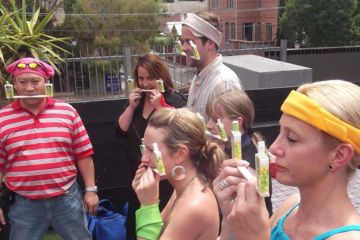
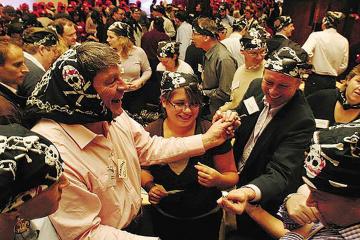
Ensuring a competitive environment remains healthy, focus attention and create individual ownership of the big picture goals of the whole team. Find ways to encourage individuals to blend their personal goals with the company’s. Celebrate team successes, as well as individual ones. Encourage individuals to share their personal and professional goals with the group so that they can view each other as individuals, celebrate each others successes and know how to help one another achieve their common goal. Team building activities are a great way to lighten-up a competitive environment and bring fun challenges into a company culture.
Look at this selection of related popular programs. Need help in deciding? Looking for something else?