The Psychology Behind Team Motivation
Motivation in teams goes far beyond incentives or performance targets. Sustainable motivation is rooted in emotion — the energy, engagement, and enthusiasm that inspire people to fully invest in their work. When individuals feel emotionally connected, they move from simply completing tasks to actively contributing ideas, effort, and commitment.
Leaders play a pivotal role in creating this emotional foundation. Regular check-ins with questions such as, “What recent achievement are you most proud of?” or “What support would help you perform at your best?” encourage open dialogue and a deeper understanding of individual motivators.
Sharing success stories is equally effective. When leaders highlight challenges, actions taken, and positive outcomes during team meetings, they reinforce belief and purpose. These practices help teams shift from basic compliance to genuine commitment, driving stronger performance.
Motivation is also contagious. When key individuals demonstrate enthusiasm and belief in a shared goal, their energy influences others. Once a critical mass aligns around a common purpose, momentum builds quickly, and meaningful change becomes possible.
Turning Passion into Purpose at Work
Passion gives work meaning, but it rarely appears on its own. It is activated through emotional experiences that make people feel invested and valued. In fast-moving business environments where adaptability, innovation, and resilience are essential, teams must remain focused and motivated despite constant change.
Effective leadership is essential in this context. Leaders who successfully motivate teams align individuals around shared objectives through:
- Clear and persuasive communication
- Authentic, trust-based relationships
- Strong internal connections and visibility
Leaders can foster motivation by encouraging open discussion, publicly recognising achievements, and facilitating team-building activities that strengthen trust. When leaders demonstrate emotional intelligence and remain visible and connected, motivation spreads naturally across the team.
Why Recognition and Visibility Drive Engagement
Motivation thrives in environments where people feel recognised, valued, and appreciated. Recognition — especially when it extends beyond immediate teams — reinforces a sense of belonging and purpose. Simple practices such as peer-nominated awards, organisation-wide acknowledgements, or personalised thank-you messages can have a lasting impact.
When individuals receive recognition for their contributions, they experience:
- Greater accountability
- A sense of reward
- Increased energy and engagement
For larger or geographically dispersed teams, digital recognition platforms offer scalable solutions. These tools allow peers to share virtual appreciation while automated systems help managers acknowledge milestones in real time. This ensures positive contributions are consistently noticed and reinforced.
High-performing teams also choose where to focus attention. Rather than amplifying negative behaviours, they celebrate progress, encourage connection, and reinforce actions that support collective success. Motivation is strongest when individuals see their efforts as part of something meaningful and shared.
The Power of Belonging in the Workplace
At its core, motivation is driven by a sense of belonging. People are naturally motivated when they feel connected to others who share values, goals, and perspectives. In these environments, motivation develops organically and sustainably.
Research supports this. Deloitte’s 2025 Human Capital Trends highlights the growing importance of emotional connection, personalisation, and meaningful workplace experiences. Employees are most engaged when organisations recognise them as individuals, not just job titles.
Additional studies reinforce this impact. Gallup reports that teams with high engagement achieve significantly higher profitability and productivity, while Harvard Business Review research shows that organisations with motivated employees outperform competitors in long-term market returns. When people feel emotionally invested, motivation and performance rise together.
How Team Building Improves Motivation and Performance
Team building plays a critical role in transforming emotional connection into sustained motivation. It creates structured opportunities for people to connect beyond day-to-day tasks, allowing teams to:
- Build trust more quickly
- Develop a deeper personal understanding
- Strengthen collaboration beyond routine work
These shared experiences activate emotional drivers that traditional work environments often overlook. Activities such as problem-solving workshops, off-site retreats, and virtual team-building experiences enable teams to connect in ways that everyday work rarely allows.
By stepping outside conventional settings, teams unlock creativity, strengthen relationships, and build a shared sense of purpose. At Catalyst, our team-building experiences are designed to:
- Strengthen emotional connections within teams
- Reinforce shared purpose, values, and goals
- Encourage collaboration, communication, and appreciation
- Create a sense of belonging and collective achievement
Immersive Team Building Activities That Inspire Motivation
Catalyst’s immersive team-building experiences are designed to energise teams, strengthen motivation, and align people around shared challenges and goals.
Hit Factory AI - Teams create lyrics, compose music, and produce a music video using AI-powered tools. Motivation grows through creativity, shared expression, and the emotional reward of bringing an idea to life together.
Quickfire - An app-based team challenge where teams select tasks with varying levels of risk and reward. Motivation is strengthened by autonomy, friendly competition, and the momentum of shared wins.
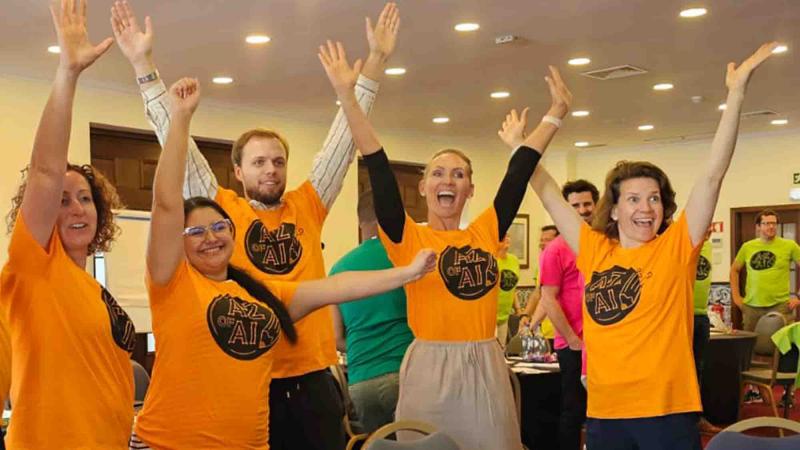
Uplift - A high-energy icebreaker that combines movement, laughter, and coordination. Teams build motivation through communication, synchronisation, and the immediate satisfaction of rising together.
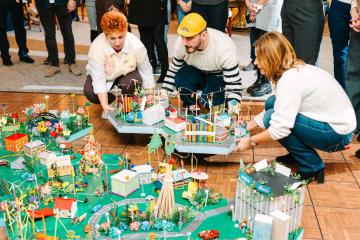
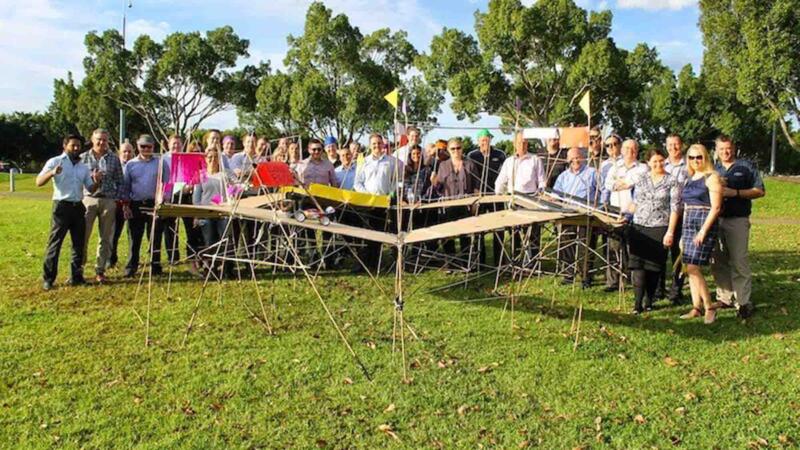
Eco Pyramid - A collaborative construction activity where each team contributes to a shared structure. Motivation increases as individuals see how their contributions support a collective outcome.
Need 4 Speed = Teams assemble model cars while exploring process improvement. Motivation is reinforced through hands-on problem-solving, continuous improvement, and shared success.
Drone Control - Teams adapt quickly to navigate drones through changing obstacles. Motivation builds through focused collaboration, shared challenge, and collective achievement under pressure.
Each activity serves as a strategic tool to increase motivation, align teams around purpose, and improve performance.
Sustaining Team Motivation Beyond Team-Building Events
Motivation is not a one-time experience; it is an ongoing state nurtured through emotion, recognition, and belonging. Team-building activities act as catalysts, igniting passion and strengthening relationships, but long-term impact comes from consistent follow-through.
Regular check-ins, goal reviews, and recognition moments help maintain momentum. Organisations can also embed motivation into daily routines by incorporating collaborative exercises into meetings or creating regular opportunities for reflection and shared learning.
When individuals feel connected to one another and aligned with organisational purpose, motivation becomes self-sustaining. Teams operate with greater speed, adaptability, and innovation — and remain fully committed over time.
Motivation begins with emotion. Team building transforms that emotion into a shared experience, creating the foundation for lasting performance and meaningful change.
Contact us to learn how our immersive team-building programmes can help you build motivated, high-performing, and purpose-driven teams.